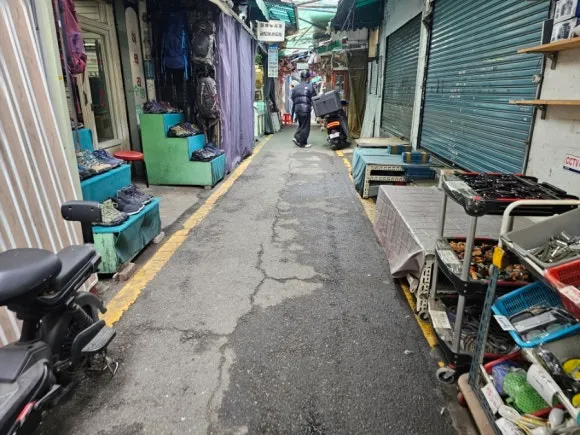
After spending two years traveling around Korea and Southeast Asia, I returned to Seoul and began exploring my own city again. I visited Mangwon Market, Namdaemun Market, and Tongin Market before finally heading to Dongmyo Flea Market (동묘구제시장).
While living in Southeast Asia, I watched a Korean TV program featuring Dongmyo and wrote “Visit Dongmyo” in my planner. My main purpose that day was vintage shopping, but I decided to eat first at Gwangju Sikdang (광주식당), a local restaurant known for dongtaetang.
What Is Dongtaetang?
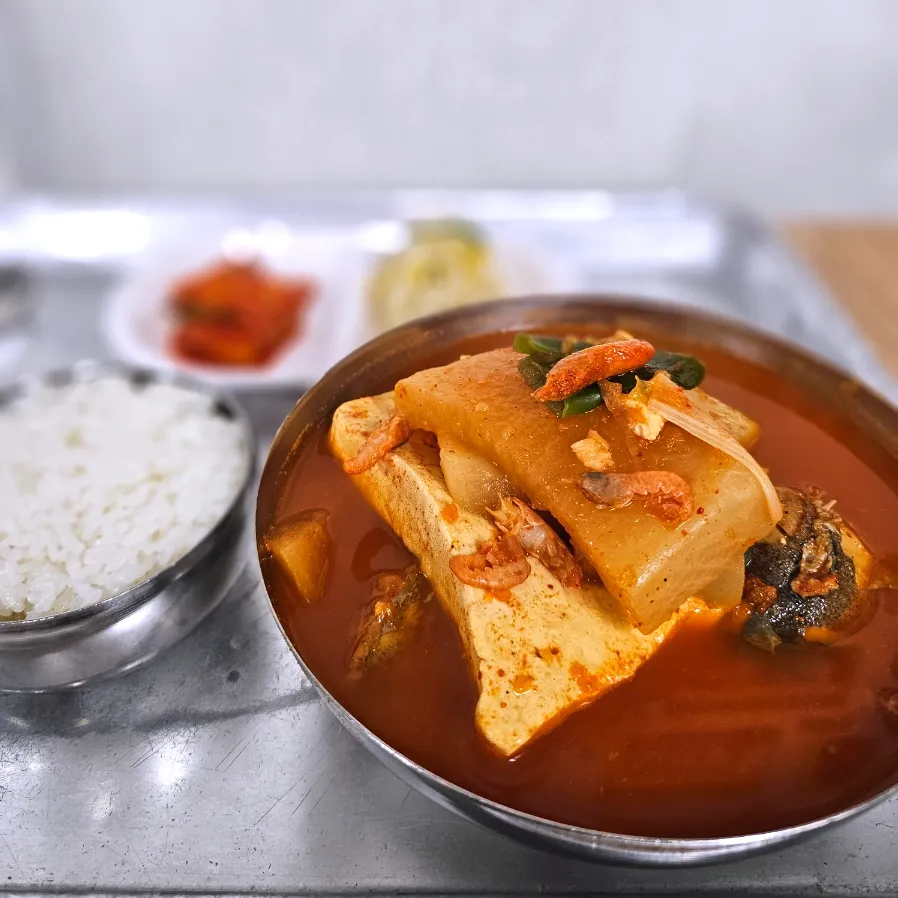
Dongtaetang (동태탕) is a spicy Korean stew made with frozen pollock.The fish is simmered with radish, tofu, seafood, and red pepper seasoning, creating a spicy yet clean-tasting broth.
The word dongtae means frozen pollock, while tang refers to a soup or stew. It is especially popular during cold weather, but many traditional Korean restaurants serve it throughout the year.
A Local Restaurant Near Dongmyo Market
Gwangju Sikdang is located near Dongmyo Flea Market and Seoul Folk Flea Market. It specializes in dongtaetang rather than offering a long menu.
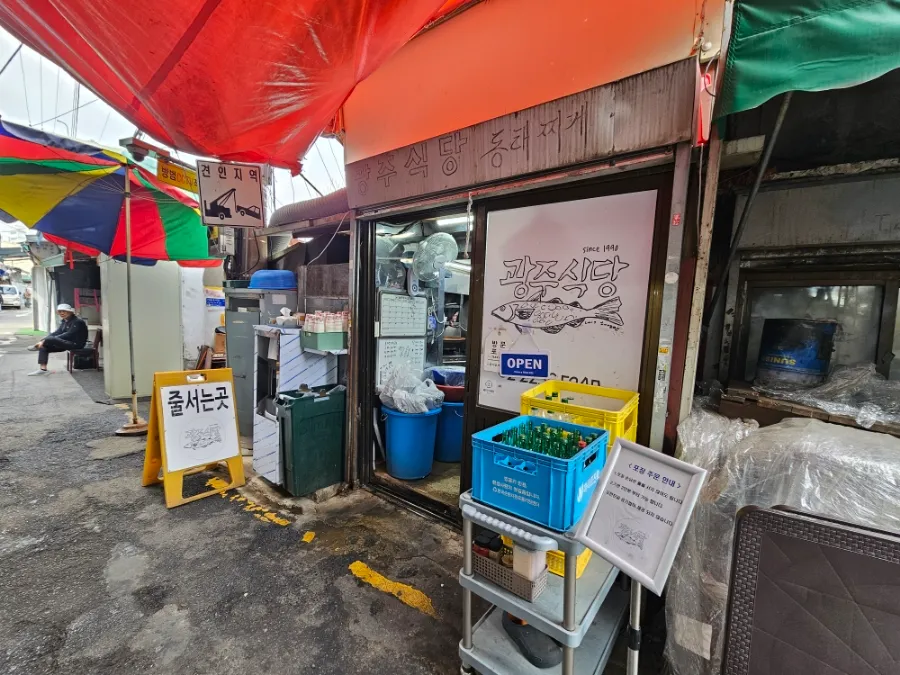
- Address: 15 Jibong-ro 2-gil, Jongno-gu, Seoul
- View on Google Maps
- Opening hours: Tuesday–Friday, 8:00 a.m.–3:00 p.m.
- Weekend hours: 8:00 a.m.–4:00 p.m.
- Closed: Monday
- Dongtaetang: 10,000 won
Hours and prices may change, so check the latest information before visiting.
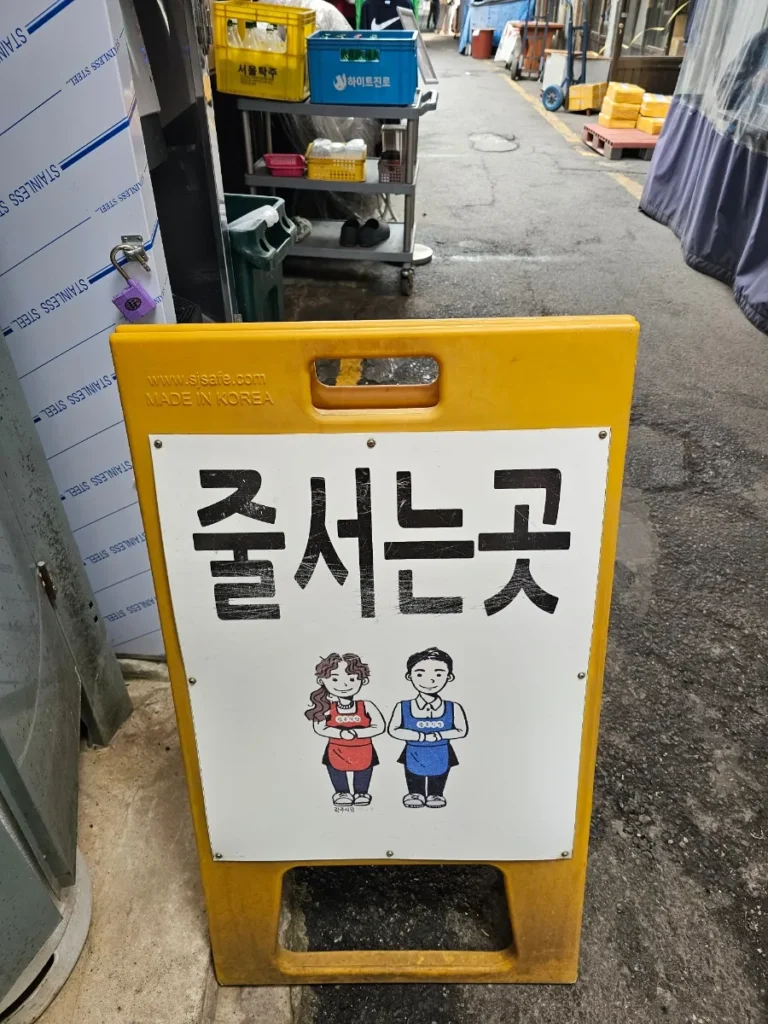
I arrived at around 10:30 a.m., but every seat was occupied. A yellow sign outside showed where customers should wait.
After waiting for about ten minutes, I was shown to a seat. The restaurant had regular tables as well as counter seating for solo diners. Some older customers who arrived alone shared tables, which is still common in small traditional Korean restaurants.
A Generous Bowl of Spicy Pollock Stew
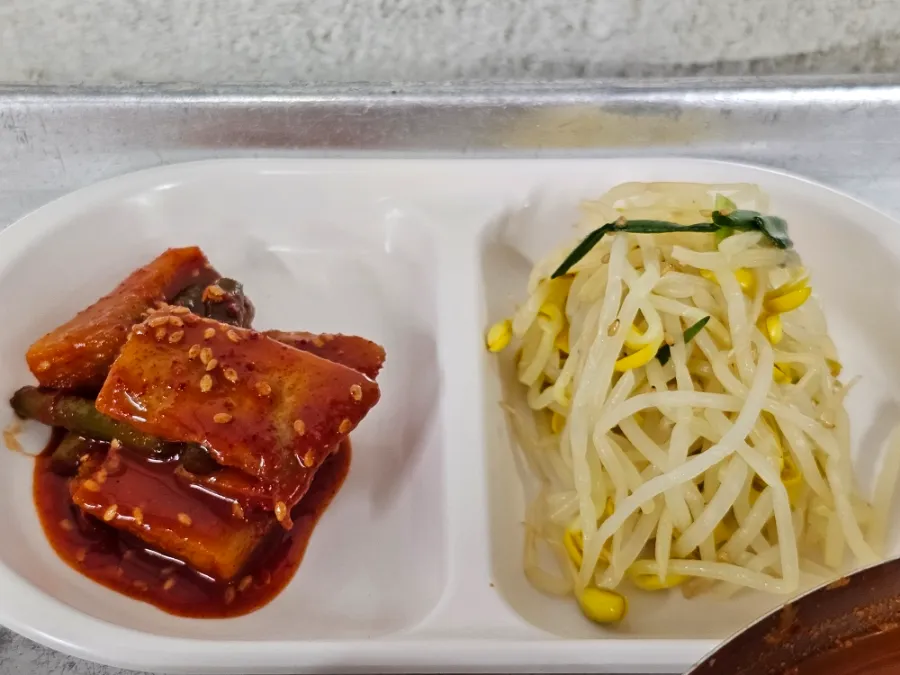
My meal arrived quickly and included dongtaetang, rice, kimchi, and seasoned bean sprouts.
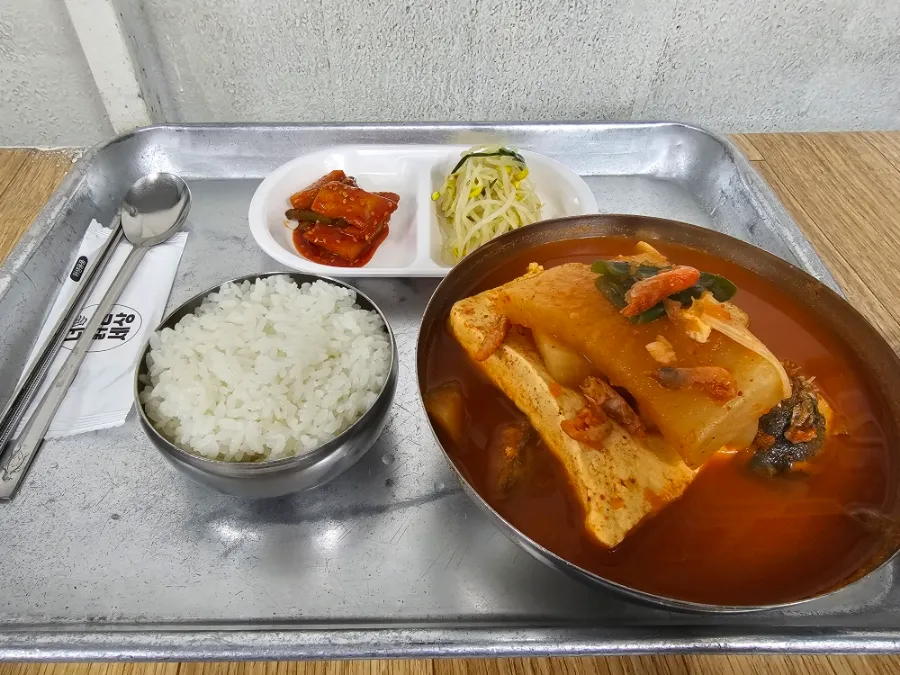
The large metal bowl was filled with thick pieces of frozen pollock, radish, tofu, shrimp, and clams. The broth tasted clean and refreshing, with plenty of flavor from the seafood and radish.
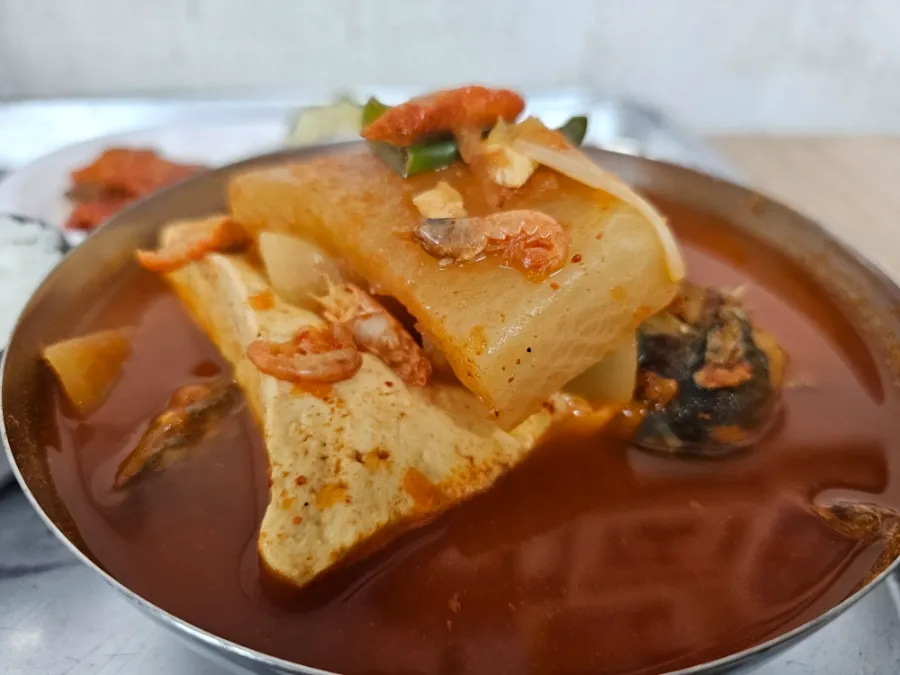
The soup was spicy, but the heat did not feel overpowering or linger for too long. It gave a sharp kick at first and then gradually faded. Travelers who are sensitive to spicy food should keep this in mind.
Large Pieces of Pollock and Radish
I often ate pollock stew with my coworkers when I was in my twenties. Among the versions I have tried, this one stood out for the generous amount of fish and radish.
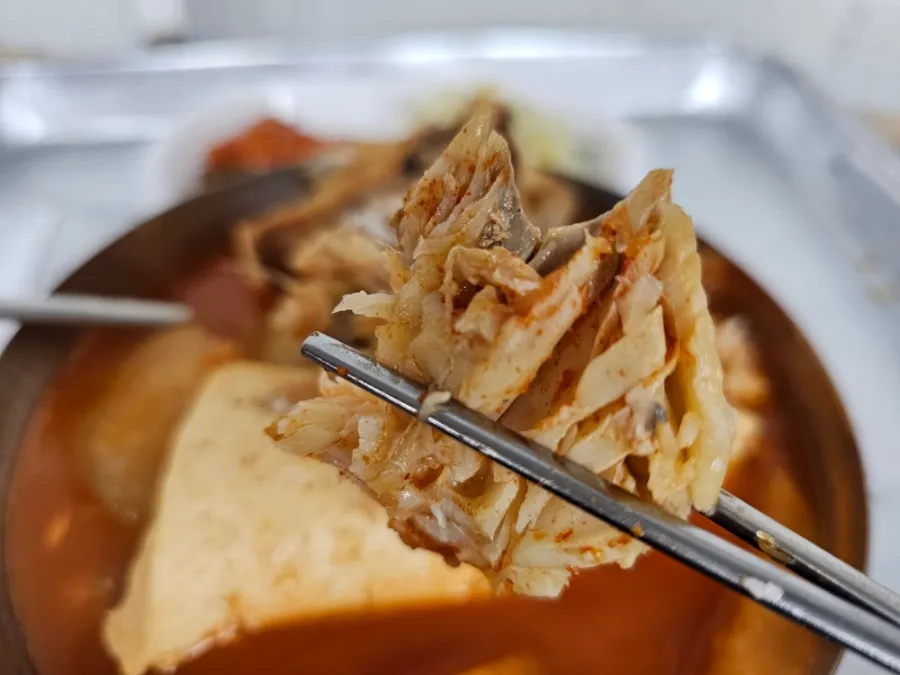
The fish was large enough to pick apart with chopsticks, and the seasoning had soaked into the meat. I did not need a separate soy-based dipping sauce.
The restaurant was especially generous with its radish. The thick pieces had absorbed the spicy broth and tasted soft and flavorful with rice.
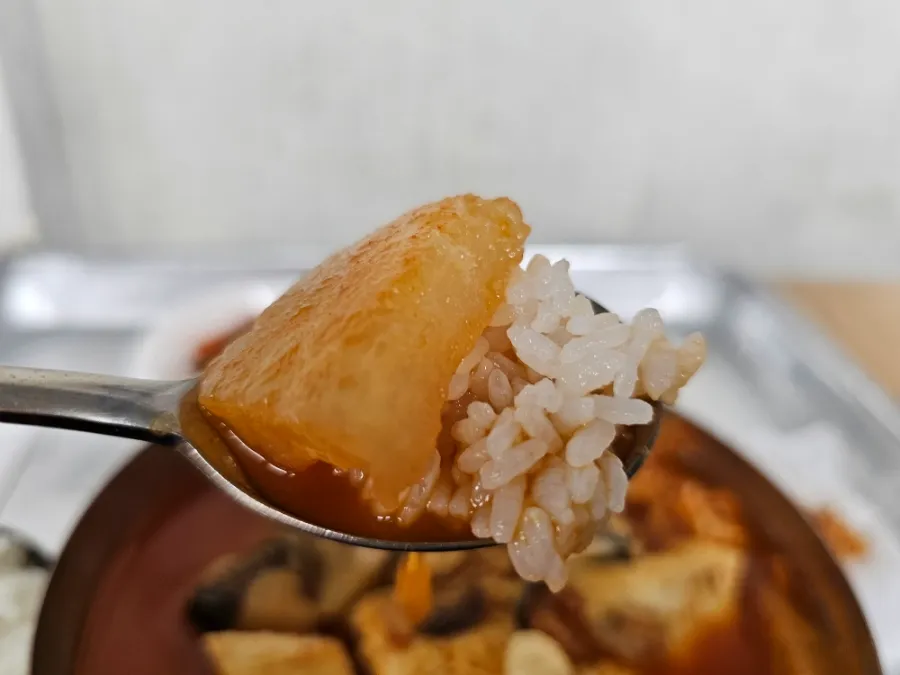
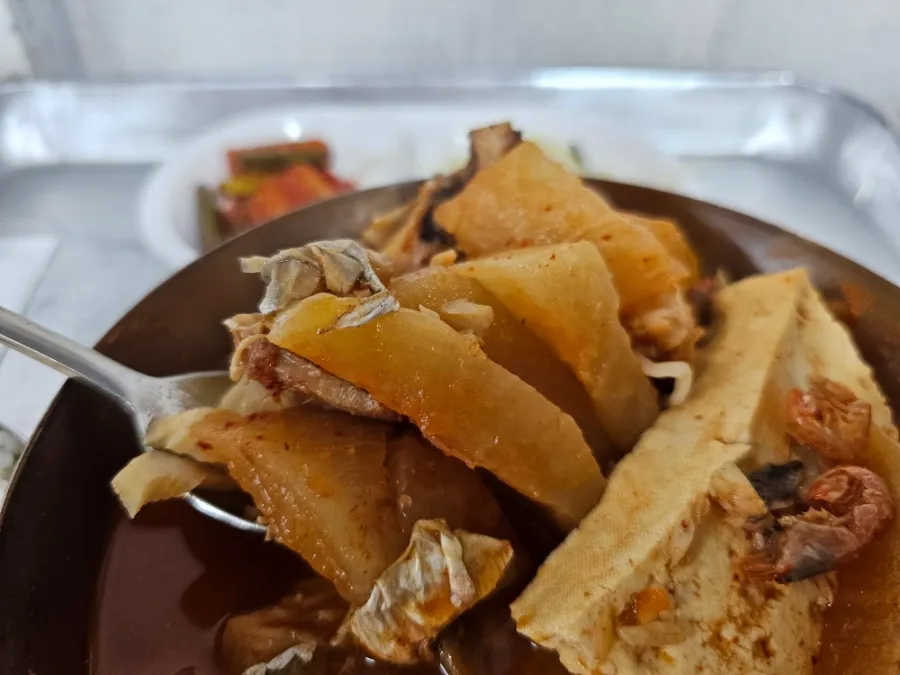
The side dishes were simple, but the stew itself was filling enough. Because the broth was spicy, I ate the bean sprouts between spoonfuls.
Is Gwangju Sikdang Worth Visiting?
Even though it was still morning, several customers were drinking soju with their stew. A hot and spicy fish soup with a small bottle of alcohol is a familiar combination in older Korean restaurants.
Gwangju Sikdang is not a polished restaurant designed for tourists. Its appeal comes from the generous food, fast service, communal atmosphere, and experience of eating in a local market alley.
The dongtaetang was packed with fish and seafood, while the radish made the broth taste especially refreshing. It was a satisfying meal before spending the rest of the day shopping for vintage clothes at Dongmyo Flea Market.
Explore More of Seoul with a Guided Tour
If you want to explore Seoul’s royal history and traditional markets with a guide, this tour is a convenient option. Depending on the package, the itinerary includes Gyeongbokgung Palace, a traditional hanok village, Bugak Skyway, and Gwangjang Market.
Most half-day options take approximately 4.5 to 5 hours and include an English-speaking guide. Routes may vary depending on the selected package and date, so check the details before booking.
Check Seoul guided tour options on Klook
This post contains an affiliate link. If you make a booking through it, I may earn a small commission at no additional cost to you.