If you are looking for a quiet Korean art museum in Seoul, Horim Museum Sillim Main Building is a lesser-known place to see traditional ceramics, paintings, and cultural artifacts.
I have lived in Seoul for many years, but I did not realize that such an impressive private museum was located in Sillim. During my one-hour visit, I saw only one other visitor. It was surprising and a little disappointing, considering the quality of the collection.
Branch information: This guide covers the Horim Museum Sillim Main Building in Gwanak-gu, Seoul. The Sinsa branch in Gangnam is a separate location. The address, opening hours and admission details below apply to the Sillim Main Building.
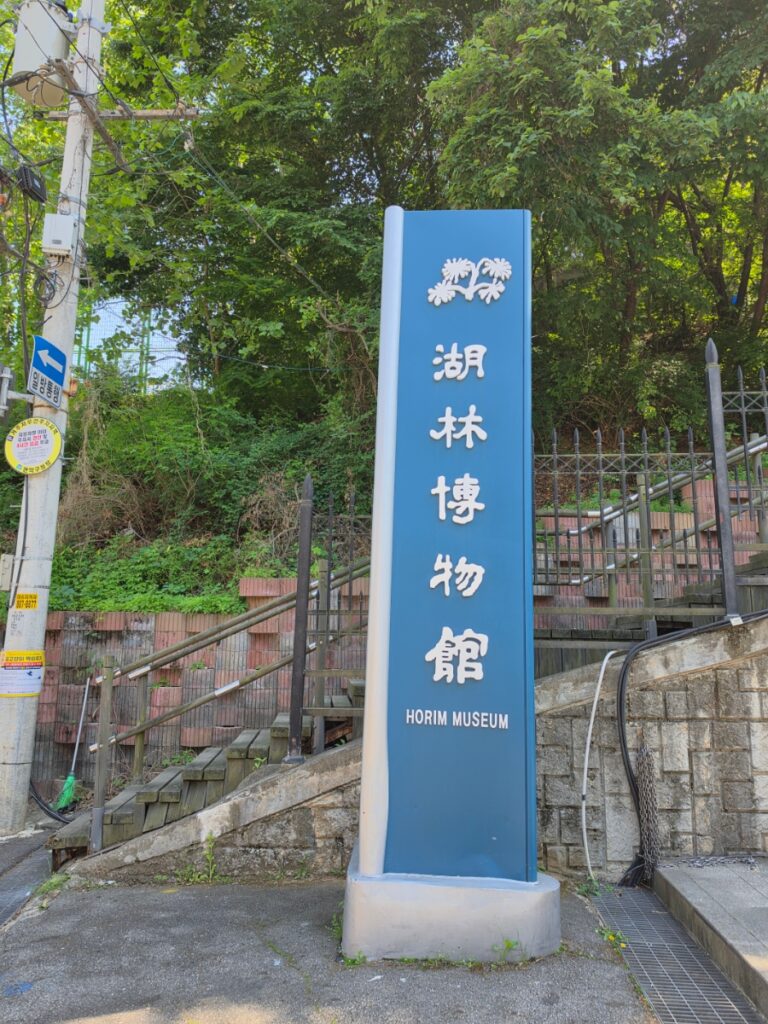
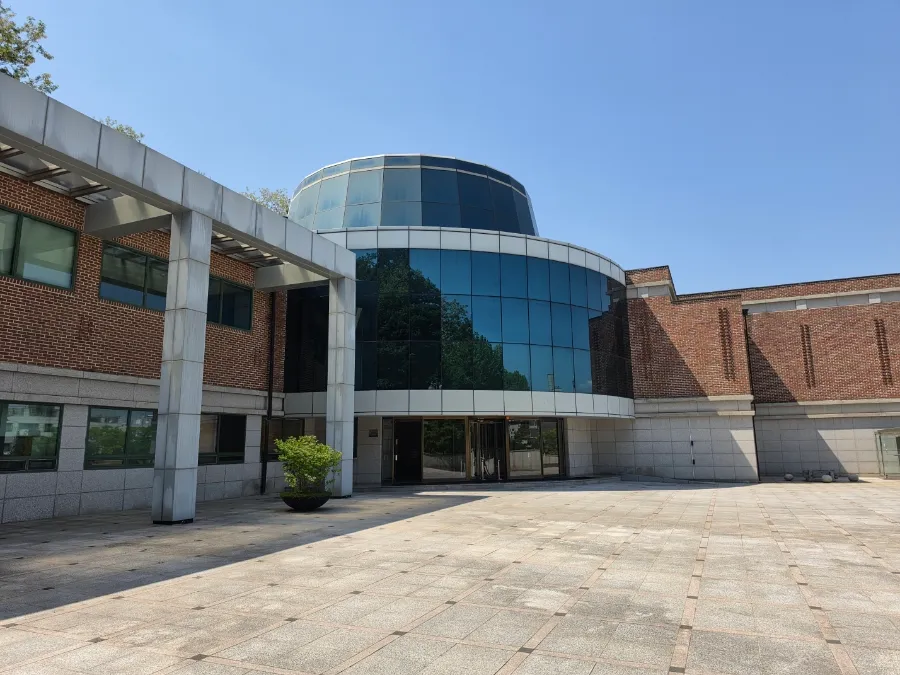
What Is Horim Museum?
Horim Museum was founded in 1982 using the cultural artifacts and funds contributed by Yun Jang-seop, whose pen name was Horim. The museum moved to its current Sillim location in 1999, and a second branch opened in Sinsa-dong in 2009.
The museum houses approximately 19,000 items of Korean cultural heritage, including ceramics, metalwork, woodwork, paintings, calligraphy, and historical records. Its collection includes eight National Treasures and 54 Treasures.
While the Sinsa branch mainly hosts special exhibitions, the Sillim Main Building is a good place to explore highlights from the museum’s traditional Korean art collection.
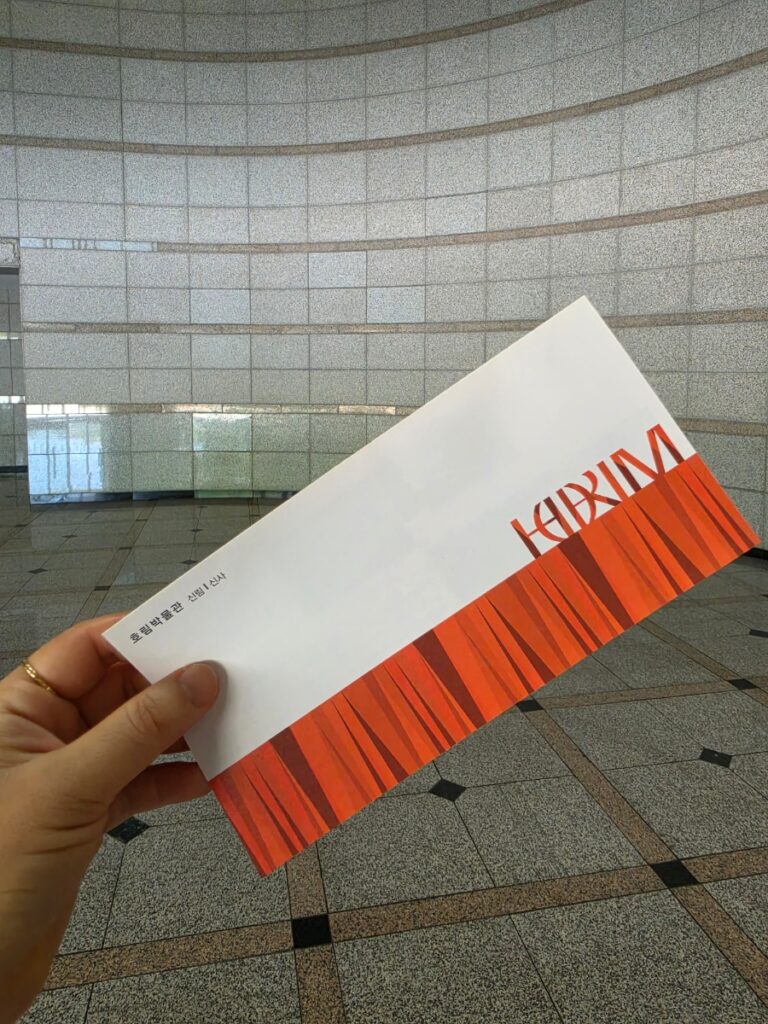
A Quiet Museum with Almost No Visitors
The Sillim Main Building has galleries dedicated to archaeology, ceramics, metalwork, paintings, and historical books.
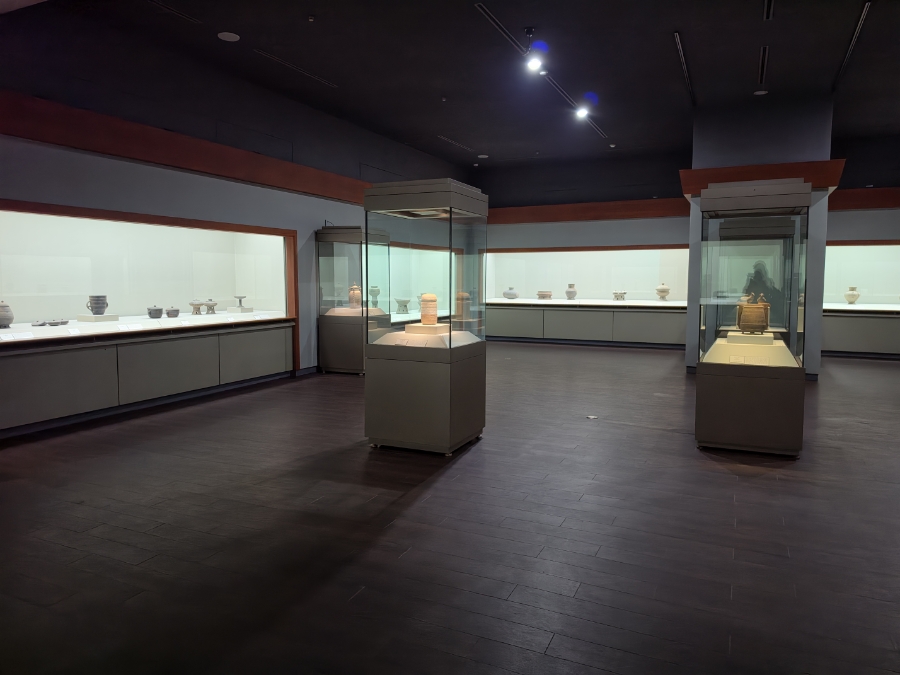
I spent about an hour walking through the galleries and met only one other visitor. The empty rooms felt slightly unfamiliar at first, but the silence allowed me to look closely at each object without rushing.
Horim Museum is not a large museum filled with interactive attractions. Its strength is the opportunity to slow down and appreciate individual works in a peaceful setting. Most visitors will need around one to one and a half hours.
Ancient Boat- and Bird-Shaped Pottery
The archaeological gallery was the most memorable part of my visit.
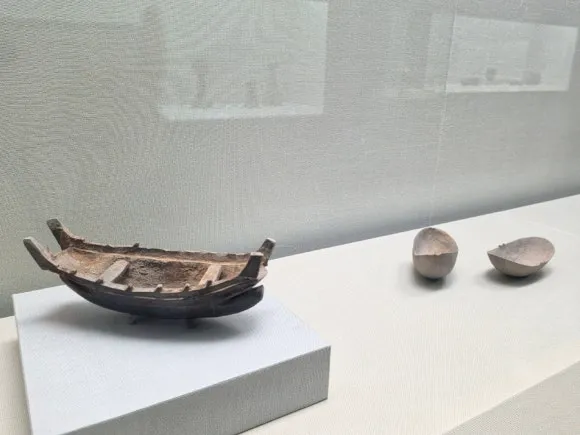
A boat-shaped pottery vessel immediately caught my attention. Although it was made in ancient Korea, its form looked imaginative and surprisingly modern.
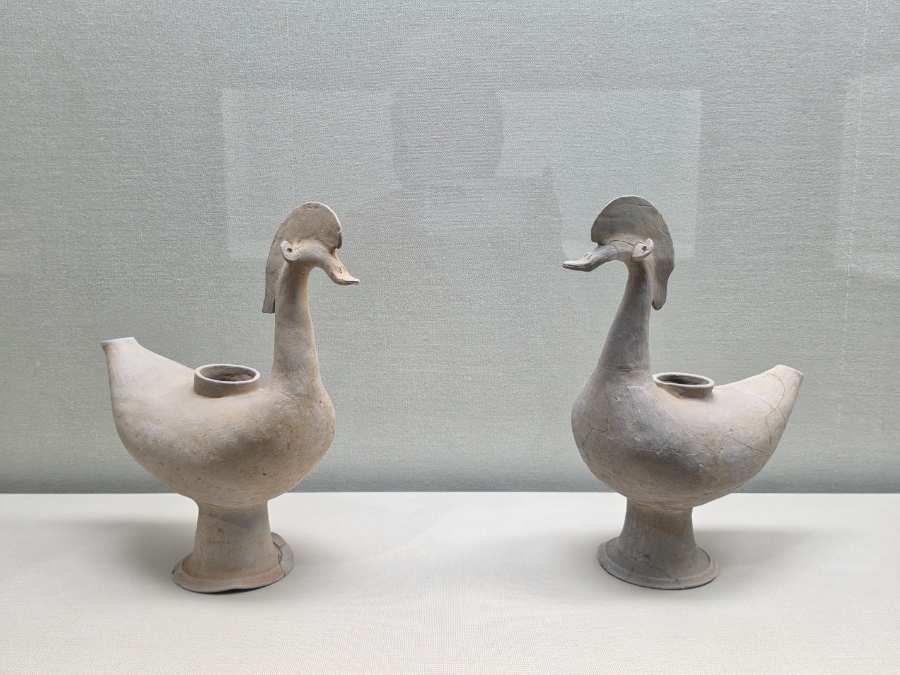
I also found two bird-shaped pottery vessels that resembled ducks. Bird-shaped objects were connected to ancient beliefs and are thought to have represented hopes of guiding the souls of the dead toward the sky.
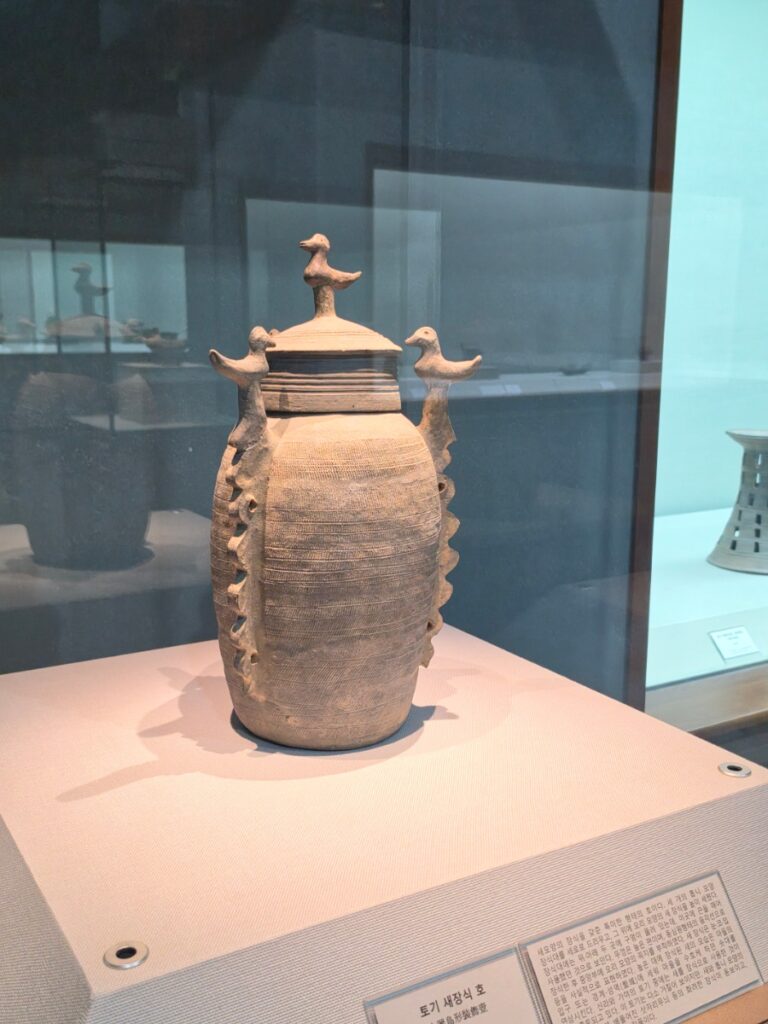
Another large earthenware jar was decorated with small birds around its lid and sides. These pieces were more than ordinary containers. Their unusual shapes reveal the creativity, beliefs, and wishes of the people who made them.
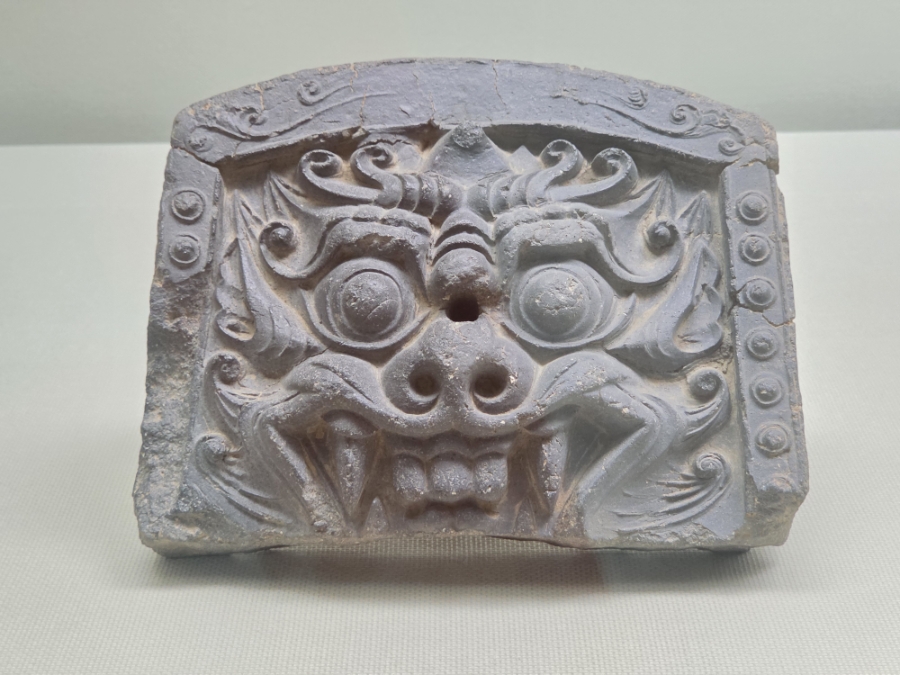
A roof tile decorated with a fierce monster face was another interesting object. Designs like this were traditionally used to guard buildings against evil spirits.
Joseon White Porcelain (조선백자) and a Butterfly Folding Screen
The ceramics gallery displays Korean pottery and porcelain from different periods.
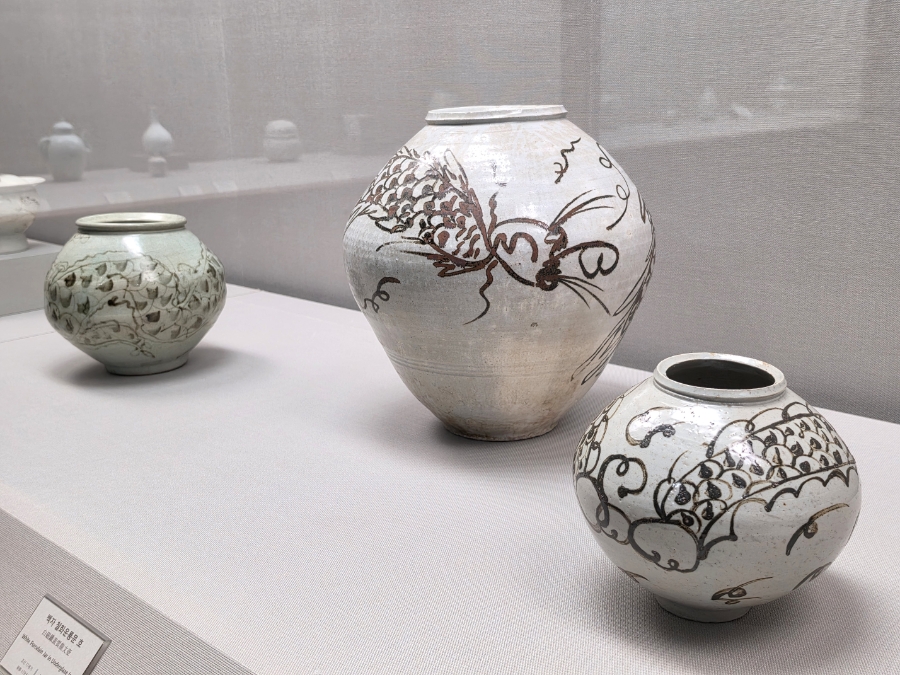
Although Goryeo celadon (고려청자) is famous for its elegant green color, I found myself more attracted to Joseon white porcelain (조선백자). Its simple shapes and restrained decoration created a quiet sense of beauty.
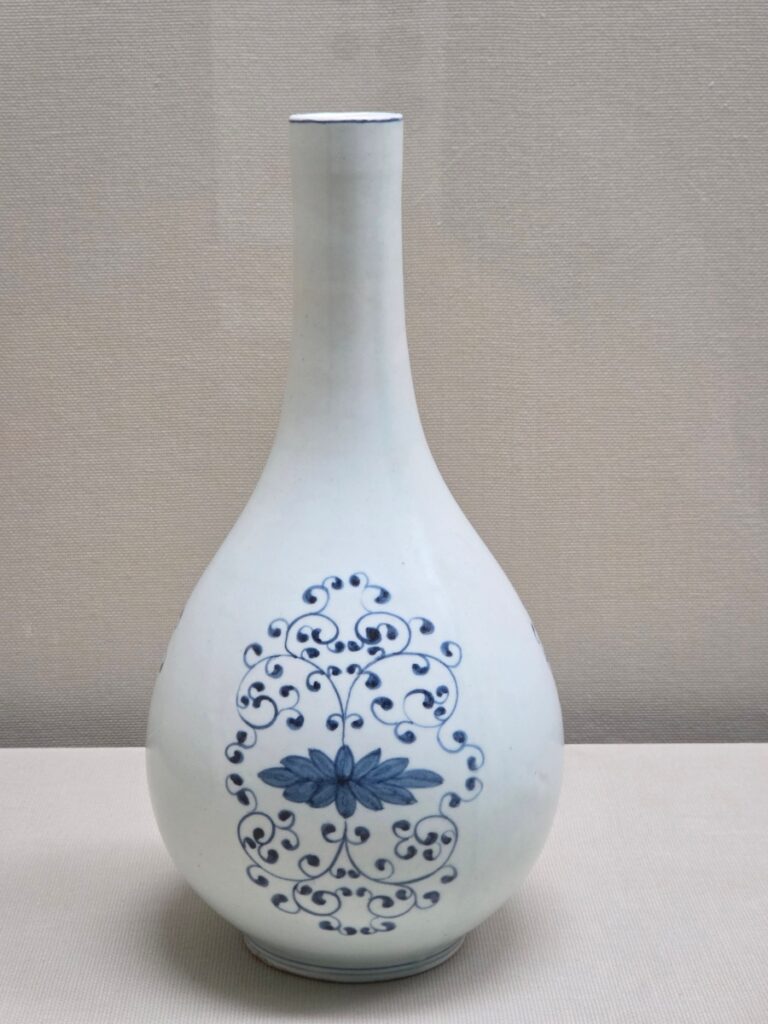
One blue-and-white porcelain bottle, known as cheonghwa baekja (청화백자), was especially graceful. The combination of the white surface, flowing shape, and blue floral design showed why Joseon porcelain remains admired today.
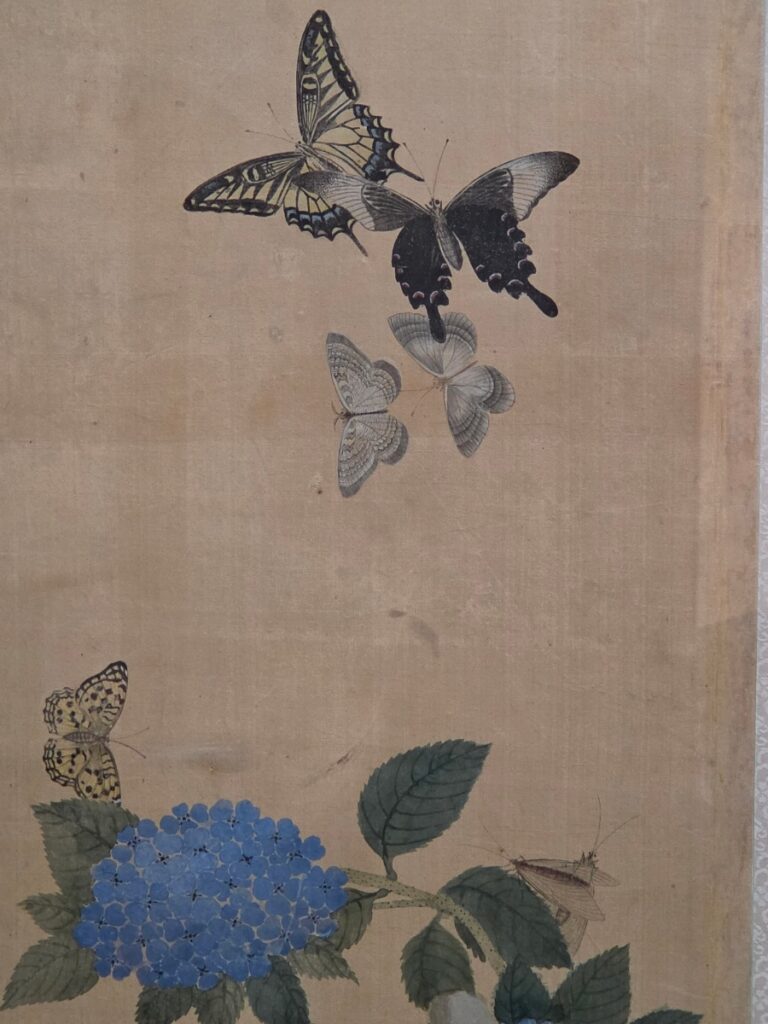
The butterfly folding screen was another highlight. The butterflies were painted so carefully that they almost appeared to be real specimens. Blue hydrangeas, leaves, and small insects completed the scene.
Standing in front of the screen, I could imagine the observation, patience, and concentration required to paint each detail.
Horim Museum Sillim: Address, Hours and Admission
- Address: 53 Nambusunhwan-ro 152-gil, Gwanak-gu, Seoul
- View on Google Maps
- Opening hours: Tuesday to Friday, 10:00 a.m.–5:00 p.m.
- Last admission: One hour before closing
- Closed: Saturday, Sunday, Monday, public holidays, and May 1
- Admission: Adults 5,000 won / Teenagers 3,000 won
- Recommended visit: Approximately 1–1.5 hours
Opening hours and exhibitions may change, so check the official Horim Museum visitor information before visiting.
Is Horim Museum Worth Visiting?
Horim Museum is not designed for travelers looking for flashy digital displays or popular photo spots. It is better suited to visitors interested in Korean pottery, porcelain, paintings, and traditional culture.
For 5,000 won, I was able to explore an excellent private collection without crowds or noise. It is a rewarding place for solo travelers, art lovers, and anyone looking for a quiet indoor attraction in Seoul.
If you enjoy discovering local places beyond Seoul’s famous landmarks, Horim Museum offers a calm and meaningful cultural experience.
More Seoul Museum & Culture Guides
Continue exploring Seoul with these museum and culture guides: