Hi, I’m Choi, a travel writer sharing local food, art, and culture in Korea.
I’ve been exploring free museums, galleries, and cultural experiences around Seoul. Recently, I found something a little different: a place where visitors can learn about Korean traditional alcohol and taste it for free.
The Sool Gallery (전통주갤러리), near Anguk Station, offers guided tasting sessions featuring different Korean alcoholic drinks each month.
I visited in September 2026 and sampled award-winning Korean rice wines, fruit wines, and distilled spirits.
If you’re looking for a free Korean alcohol tasting in Seoul, here’s what to expect, including how to book an English-language session.
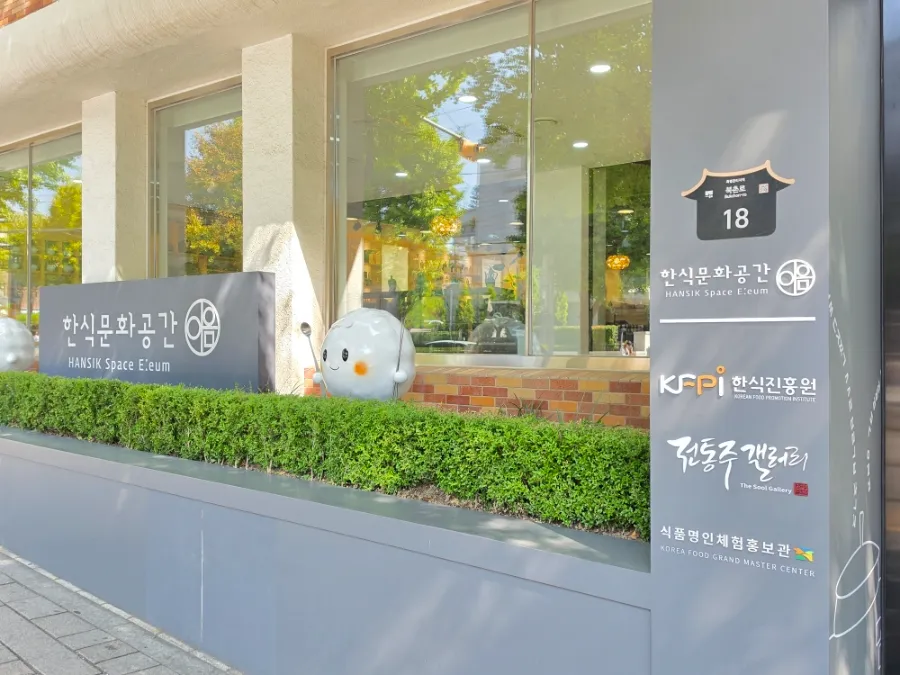
The Sool Gallery Seoul: Location and Visitor Information
Quick Guide
- Name: The Sool Gallery (전통주갤러리)
- Address: 18 Bukchon-ro, Jongno-gu, Seoul, South Korea, 1F
- Nearest subway: Anguk Station, Line 3, Exit 2
- Opening hours: 10:00 AM–7:00 PM
- Closed: Mondays and certain public holidays
- Gallery admission: Free
- Guided tasting: Approximately 30 minutes
- English tasting sessions: 3:00 PM and 4:00 PM (schedule at the time of my visit)
- Reservations: CATCHTABLE Global for English-language sessions
📍 View The Sool Gallery on Google Maps
The gallery is conveniently located between Bukchon Hanok Village and Insadong, making it easy to include in a sightseeing itinerary.
Opening hours and tasting schedules may change, so check the latest information before visiting.
What Can You See at The Sool Gallery?
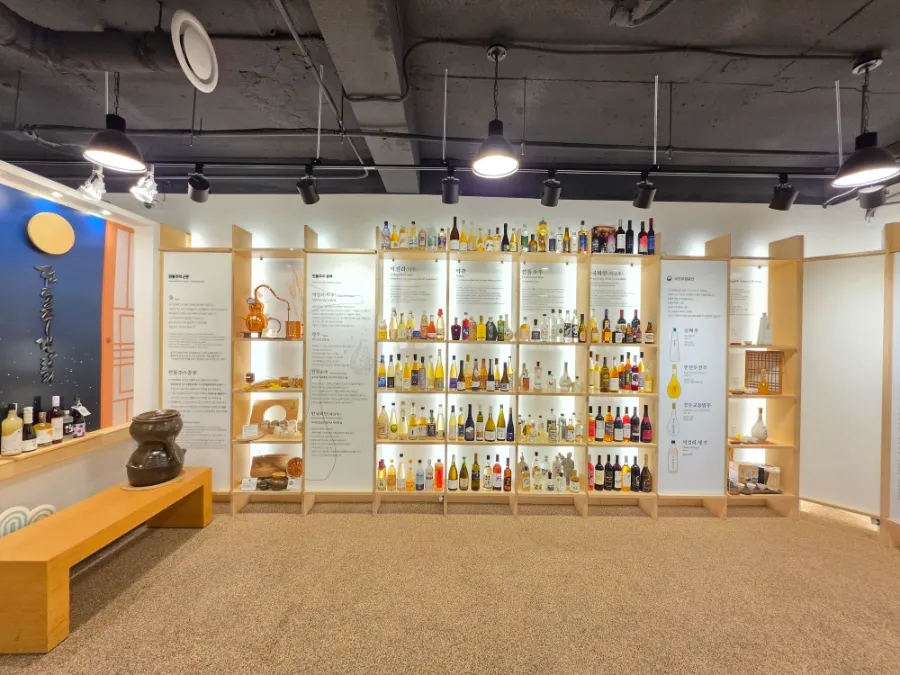
The Sool Gallery introduces visitors to the diversity of traditional Korean alcoholic drinks.
Most international travelers have heard of soju and makgeolli, but Korean alcohol includes many other varieties.
The gallery displays drinks from different regions of Korea, including:
- Makgeolli (막걸리): A cloudy, fermented Korean rice wine.
- Yakju and Cheongju (약주·청주): Clear Korean rice wines.
- Fruit wines: Alcoholic drinks made with fruits such as grapes and berries.
- Distilled spirits: Stronger alcoholic drinks, including traditional Korean soju.
The shelves are filled with bottles in different shapes and colors. Visitors can explore the displays and purchase selected products.
I also saw international visitors at the gallery during my visit.
How to Book a Free Korean Alcohol Tasting in Seoul
One of the main reasons to visit The Sool Gallery is its free guided tasting program.
Rather than simply sampling drinks, visitors learn about ingredients, fermentation methods, and the stories behind Korean traditional alcohol.
Korean-language and English-language tasting sessions are held at separate times.
When I visited in September 2026, the schedule was:
| Language | Tasting Times | Booking |
|---|---|---|
| Korean | 12 PM, 1 PM, 2 PM, 5 PM, 6 PM | Naver |
| English | 3 PM, 4 PM | CATCHTABLE Global |
I booked a Korean-language session through Naver.
For international visitors, English-language sessions provide an opportunity to learn about traditional Korean drinks without needing to understand Korean.
English Tasting Reservation on CATCHTABLE Global
You can find the English-language tasting program through the following reservation page.
Book The Sool Gallery Free Tasting on CATCHTABLE Global
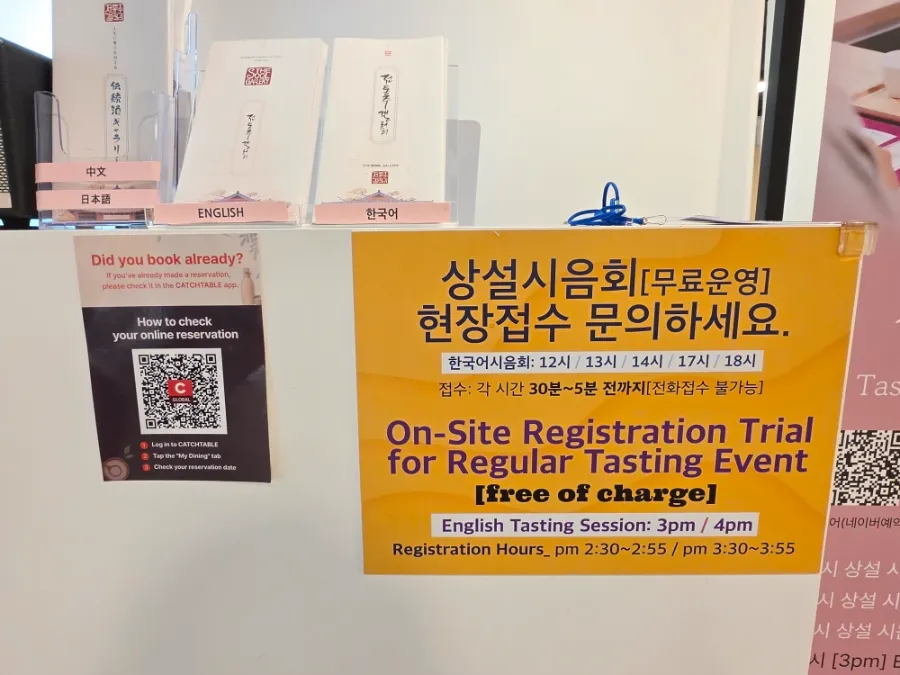
At the gallery, I also saw information about same-day registration for English sessions.
The notice listed registration windows of 2:30–2:55 PM and 3:30–3:55 PM.
However, walk-in availability is not guaranteed, so I recommend booking ahead.
Check the reservation page for updated session times, availability, and any booking conditions.
My Korean Traditional Liquor Tasting Experience
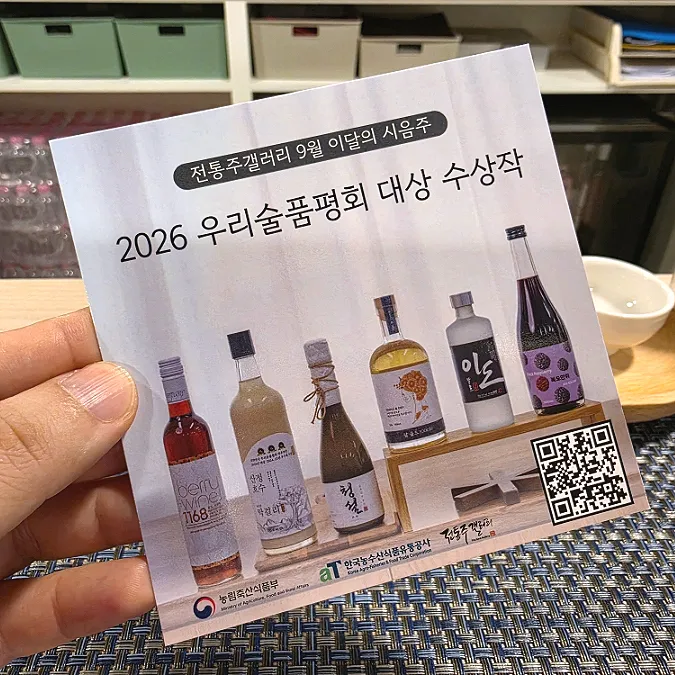
I visited The Sool Gallery in September 2026, when the monthly theme was the 2026 Korean Traditional Liquor Awards.
This government-organized competition recognizes Korean alcoholic beverages across different categories.
According to the information provided during my visit, 472 products from 294 producers entered the 2026 competition.
The tasting featured six top-winning drinks, including a fruit wine that received the Presidential Award.
The guided session lasted approximately 30 minutes.
The guide explained where each drink was produced, how it was made, and what kinds of food might pair well with it.
I arrived about ten minutes late, so I missed the first drink, Sanjeonghosu Dongjeongchun Makgeolli.
I was still able to sample the remaining five drinks.
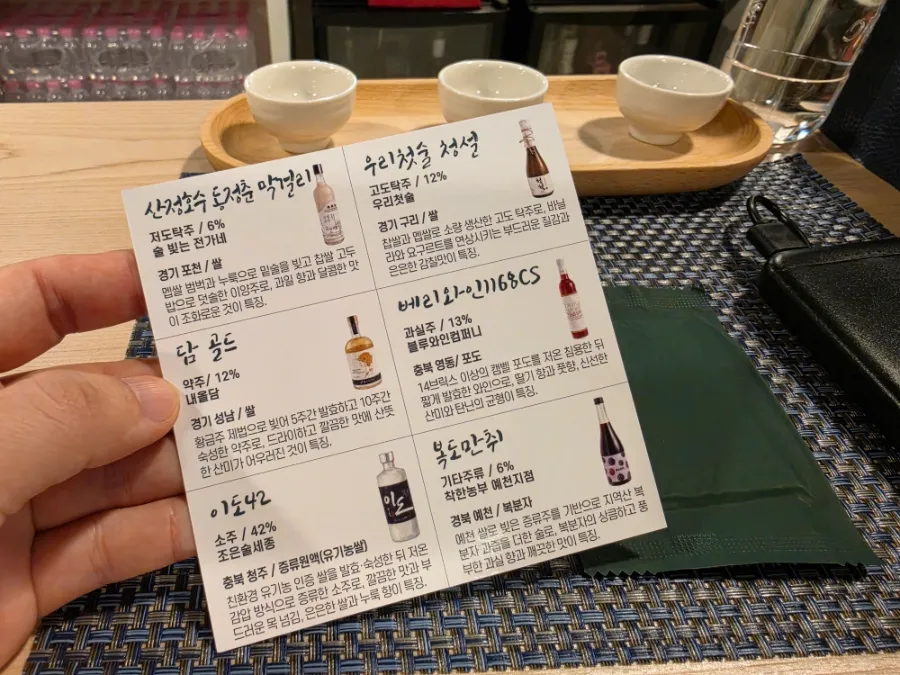
Cheongseol 12% — A Smooth Korean Rice Wine
Cheongseol won the top award in the high-alcohol takju category.
It had a smooth texture with gentle sweetness and acidity.
Compared with ordinary makgeolli, I found it closer to the clean and delicate style of sake.
If you enjoy Japanese sake, this Korean rice wine might be worth trying.
Dam Gold 12% — A Clear Korean Rice Wine
Dam Gold received the top award in the yakju and cheongju category.
The guide described it as a dry-style drink.
However, I noticed a slightly tart finish that reminded me of Korean plum wine.
That difference between the explanation and my own impression made the tasting more interesting.
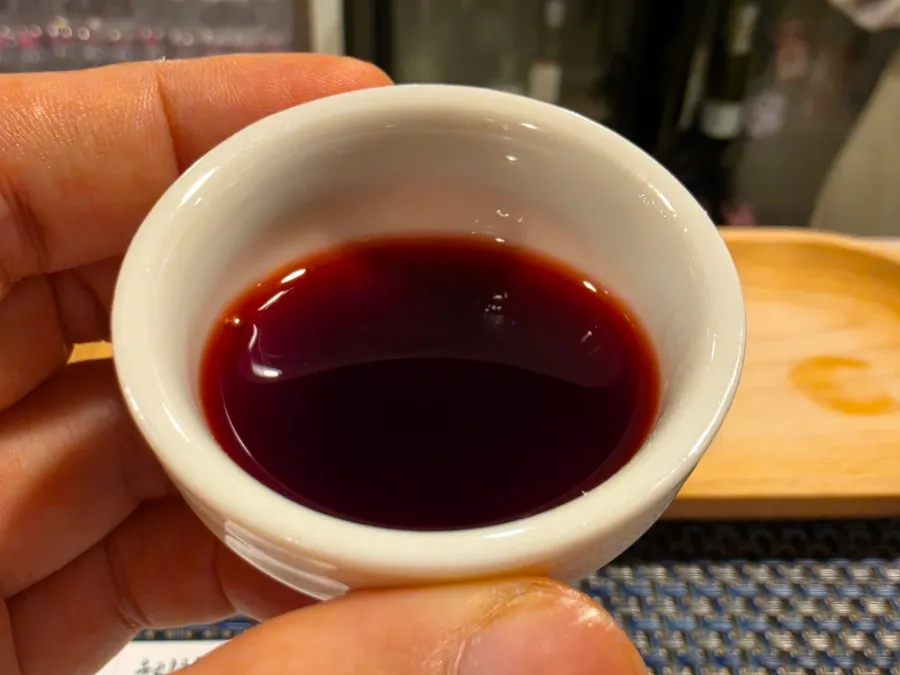
Berry Wine 1168CS 13% — Presidential Award Winner
Berry Wine 1168CS was the drink I was most curious about.
It received the Presidential Award at the 2026 Korean Traditional Liquor Awards.
Made with Campbell Early grapes grown in Yeongdong, Chungcheongbuk-do, it had a noticeable sweet grape aroma.
To me, it tasted different from the red wines I usually associate with European wine regions.
The fruity aroma gave it the character of a distinctive Korean fruit wine.
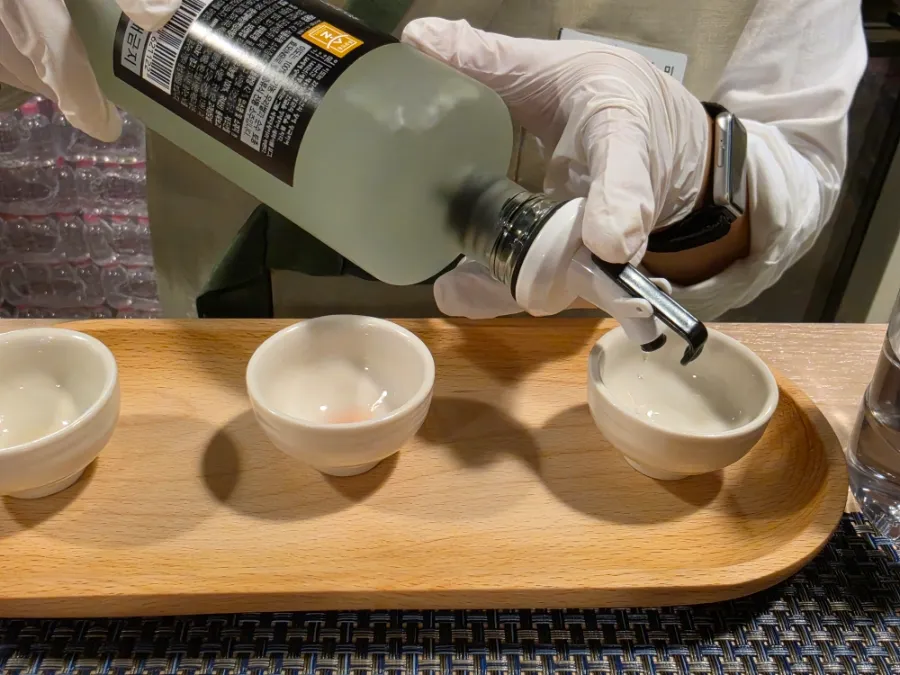
Ido 42 — A Strong Korean Distilled Spirit
Ido 42 is a Korean distilled spirit with an alcohol content of 42%.
It received the top award in the distilled spirits category.
I don’t usually drink high-proof alcohol, so I only smelled the aroma and took a small sip.
That was enough for me to appreciate how different it was from the lighter rice wines.
Bokdo Manchwi 6% — Korean Black Raspberry Wine
The final drink was Bokdo Manchwi (복도만취), produced by Chakhan Nongbu in Yecheon, Gyeongsangbuk-do.
Made using locally grown Korean black raspberries, known as bokbunja (복분자), it won the top award in the competition’s other alcoholic beverages category.
It had a distinctly sweet and tart berry flavor.
Compared with the 42% distilled spirit I had just tried, this 6% drink felt much lighter.
I enjoyed its refreshing fruitiness, and it was a pleasant way to finish the tasting.
Is The Sool Gallery Worth Visiting?
I spent about 30 minutes comparing several different Korean alcoholic drinks.
What I appreciated most was learning where each drink came from and how it was produced.
The tasting wasn’t simply about drinking alcohol. It was also an introduction to regional Korean ingredients, brewing traditions, and different styles of Korean liquor.
Visitors can purchase their favorite drinks after the session.
During my visit, the gallery also offered discounts on selected tasting products. These offers may change from month to month.
There are a few things to keep in mind.
First, the tasting selection changes monthly, so the drinks I sampled in September 2026 may not be available during your visit.
Second, English and Korean sessions have separate schedules. Make sure you choose the correct language when booking.
Finally, the experience is relatively short. If you’re looking for a full brewing workshop, this guided tasting is different from a hands-on alcohol-making class.
For travelers interested in Korean food and drinking culture, however, it offers an accessible introduction to traditional Korean liquor.
Things to Do Near Anguk Station
The Sool Gallery is in a convenient location for exploring central Seoul.
After the tasting, you can walk around Bukchon Hanok Village or visit the shops and traditional streets of Insadong.
There are also several museums and cultural attractions nearby.
The Seoul Museum of Craft Art is particularly convenient if you’re interested in traditional Korean crafts. MMCA Seoul is another option for contemporary art lovers.
Jogyesa Temple is also worth visiting for travelers interested in Korean Buddhist culture.
Final Thoughts: A Free Cultural Experience in Seoul
If you’re searching for free things to do in Seoul, The Sool Gallery offers something different from the usual palace and museum visits.
I enjoyed comparing the different flavors while learning about Korean brewing traditions.
The guided explanations made the experience more meaningful than simply ordering a glass of makgeolli at a restaurant.
For international travelers, the English-language tasting sessions are another reason to consider visiting.
Just make sure to reserve the correct session and check the latest schedule before your visit.
If you have an hour to spare around Anguk Station, The Sool Gallery is worth adding to your Seoul itinerary.
More Seoul Culture Guides
Continue exploring Seoul with these firsthand guides: